
Introduction to Barley
Barley is one of the oldest cultivated grains, revered in ancient Egypt, Rome, Greece, China, and India for both nourishment and healing (researchgate.net). It boasts a slightly nutty taste and chewy texture, packed with fiber, minerals like magnesium, selenium, iron, and antioxidants. As highlighted by Healthline, whole-grain barley supports digestion, weight management, cholesterol balance, and heart health .
Forms of Barley
Barley appears in various forms, including:
- Whole grain barley: Minimally processed, rich in fiber and nutrients.
- Pearl barley: Polished, more refined but lower in fiber.
- Barley flour and sattu: Roasted and ground into powder—versatile and nutrient-dense.
What Is Barley Sattu?
Barley sattu, known as jau ka sattu in North India, is made by dry-roasting barley grains and grinding them into flour (en.wikipedia.org). Traditional methods involve roasting in sand-filled iron cauldrons, producing fine, creamy flour that can be used in drinks, porridges, snacks, and parathas (en.wikipedia.org).
Nutritional & LSI Highlights
Barley sattu is a rich source of:
- Dietary Fiber: Both insoluble and soluble (beta‑glucan) for digestion (healthline.com).
- High Protein: Up to 20–26 g per 100 g, aiding muscle recovery and satiety (redcliffelabs.com).
- Minerals & Vitamins: Includes calcium, magnesium, iron, phosphorus, B‑vitamins, chromium (edehati.com).
Barley Sattu in Unani & Islamic Medicine
In the Unani system, barley is attributed a “cold and moist” temperament; it’s used for inflammation, wound healing, diabetes, obesity, and weakness (florajournal.com). Prophetic medicine prescribes talbina—a barley porridge with milk & honey—to strengthen the heart and ease weakness (researchgate.net). Hazrat Ali (RA) reportedly recommended barley bread with beetroots as a healing food (florajournal.com).
Key Health Benefits of Barley Sattu
A. Digestive Health
The insoluble fiber boosts gut motility and reduces constipation; soluble fiber generates SCFAs to support gut flora (healthline.com).
B. Weight Management
High fiber and protein enhance satiety, reducing calorie intake and promoting weight loss .
C. Heart & Cholesterol
Beta‑glucan helps lower LDL cholesterol and promote healthy lipid profiles . Pilot studies show LDL reduction by up to 7%, while increasing HDL .
D. Blood Sugar Control
Low glycemic index and high fiber slow glucose absorption. Barley intake reduces fasting blood sugar and insulin resistance .
E. Cooling & Hydration
Traditional use of barley sattu as a cooling hydrating drink is noted for summer resilience and refreshment (redcliffelabs.com).
F. Anti‑Inflammatory & Healing
Unani and modern research supports its use for anti‑inflammatory and wound healing benefits (researchgate.net).
Mechanisms Behind the Benefits
- Beta‑Glucan: Soluble fiber reducing cholesterol and improving glycemic and gut microbiome function (healthline.com).
- Insoluble Fiber: Promotes bowel health and prevents constipation.
- Minerals: Magnesium and chromium support insulin sensitivity; iron prevents anaemia.
- Antioxidants & Lignans: Protect heart and support immunity.
Barley Sattu for Specific Conditions
| Condition | Benefits |
| Diabetes | Improves insulin response; low GI |
| Constipation | Increases stool bulk; relieves symptoms |
| High Cholesterol | Beta‑glucan binding to bile acids; reduces LDL |
| Weakness/Anaemia | Talbina boosts strength and heart health |
How to Use & Consume
- Sattu Drink: Mix 2 tbsp sattu with chilled water, salt, lemon, or mint for a refreshing beverage.
- Talbina: Cook barley flour with milk and honey/spices for a comforting porridge.
- Sattu Paratha: Blend sattu with spices and stuff in dough.
- Energy Snacks: Use in energy balls, ladoos, or savory fillings.
- Dosage Tips: Start with small amounts (a couple of teaspoons daily); increase only if digestion is normal.
Is Barley Sattu Safe?
Generally safe and well-tolerated. Possible gastrointestinal discomfort if consumed in excess. People with gluten sensitivity or celiac should avoid regular barley sattu—it contains gluten. Keep hydration adequate.
Product Highlights
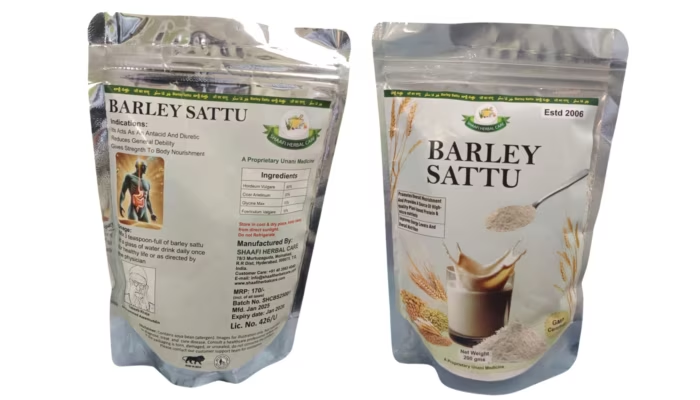
Here are some widely available barley sattu powders:
FAQs
Q1: Can barley sattu help with weight loss?
A: Yes. Its high fiber and protein content increases satiety and supports calorie control
Q2: Is barley sattu gluten-free?
A: No. Barley contains gluten, so avoid if sensitive or celiac.
Q3: Can diabetics safely consume it?
A: Yes. Low GI and fiber content help stabilize blood glucose .
Q4: How does it help indigestion?
A: Insoluble fiber boosts gut motility; soluble fiber supports healthy gut bacteria .
Q5: What is talbina?
A: A barley porridge in Islamic medicine, made with barley flour, milk, and honey; used to treat weakness and strengthen the heart (researchgate.net).
Q6: Any contraindications?
A: Limit if you have IBS or prone to bloating. Not for those with barley allergy or gluten intolerance.
Conclusion
Barley and its uses—especially barley sattu—offer holistic health benefits that span modern science and traditional Unani & Islamic medicine. From digestive support and weight control to chronic disease prevention and spiritual nourishment through talbina, sattu is a powerful, accessible superfood. Enjoy it mindfully within diet, and you’ll harvest a rich tradition of wellness, stamina, and vitality.
Add Comment